
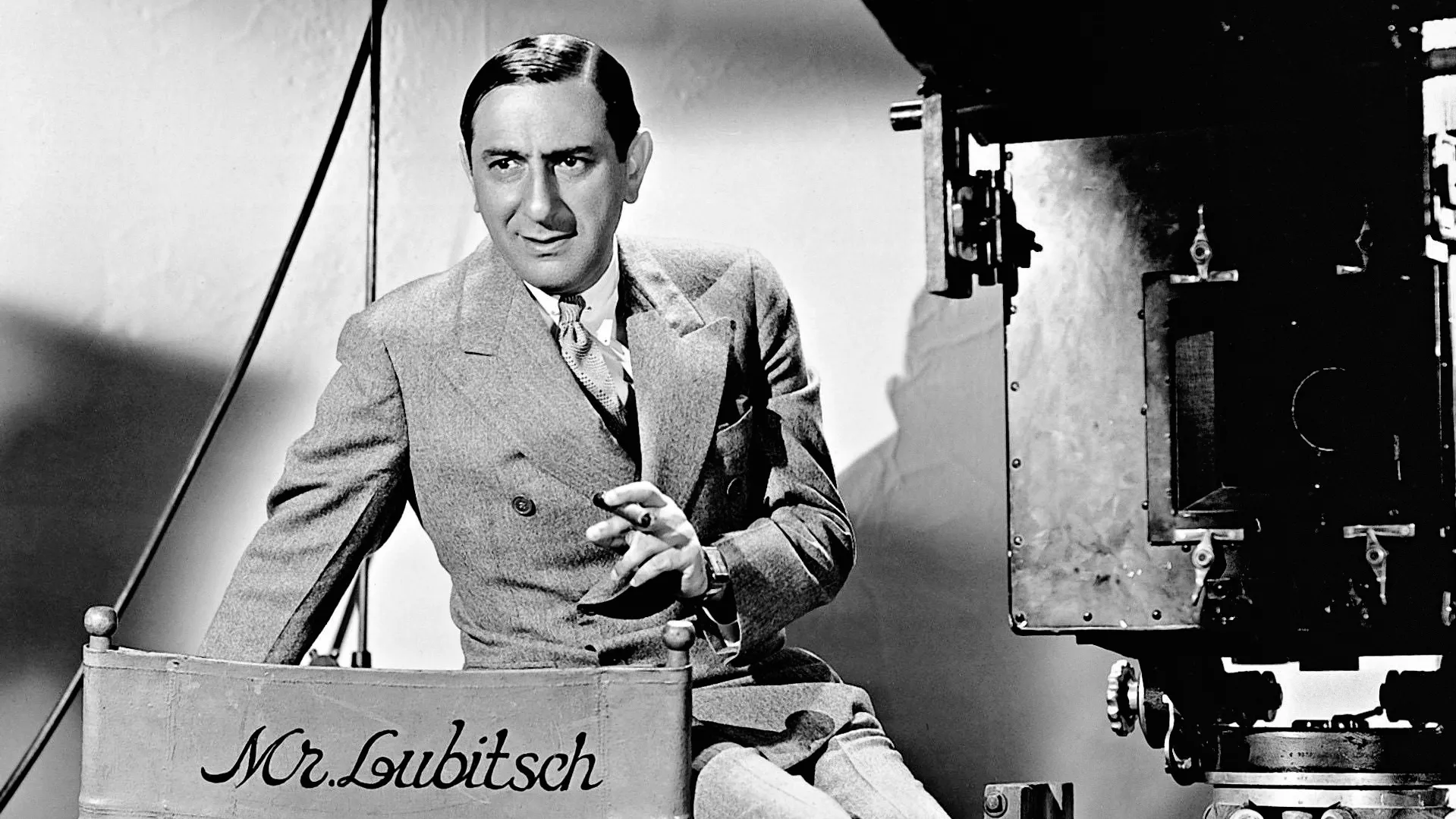
HOLLYWOOD FAUST: THE COST OF THE TRANSITION FROM ARTHOUSE TO HOLLYWOOD PART 1
In the history of cinema, the transformation experienced by certain directors—those who once shone through the distinctive spirit of independent or national cinemas—after succumbing to the allure of Hollywood has often been told like a recurring fable. Recent examples include the directors we have “sent off” to America such as Lanthimos and Aster; before them Iñárritu and Verhoeven; earlier still Hitchcock; and among the earliest examples, Murnau and Lang. Although their motivations may shift toward commercial concerns and the desire to reach larger audiences, this transition frequently results in films that lose some of their artistic weight, becoming less layered and more easily digestible. The shift from original, experimental, challenging independent films rich with bold subtexts to large-budget, box-office-oriented productions designed for mainstream audiences often becomes inevitable.
Once these “brilliant talents” are caught on Hollywood’s hook, it is as if a pact with the devil has been sealed. The positive impact on their financial gains cannot, of course, be ignored: limitless resources, vast budgets, worldwide distribution networks… Yet the terms of Faust’s bargain are never light. The price is often paid with their talent, freedom, and unique artistic identity. The intersection of these two paradigms produces, for the seventh art, a kind of limbo between arthouse and Hollywood. Some manage to turn this bargain to their advantage; others remain trapped within this limbo aesthetic—a gray intermediate zone unable to fully satisfy either the radical depth of arthouse cinema or the glossy surface of Hollywood.
This article examines the historical trajectory of directors who moved from arthouse to Hollywood from the 1920s to the present, focusing on the distinction between those who “sold their souls” and those who managed to survive by “dancing with the devil.”
First Wave: From Weimar to Hollywood (1920s–40s)
The origins of this story can be traced back to the migration of directors from Weimar Germany to Hollywood in the late 1920s. One of the most influential figures of German Expressionist cinema, F.W. Murnau, had already reshaped the language of cinema with films such as Nosferatu (1922) and Faust (1926). The 1924 film Der letzte Mann (The Last Laugh) is widely regarded as a revolutionary step in cinematic storytelling. The technique known as the entfesselte Kamera (“unchained camera”), developed by Murnau together with cinematographer Karl Freund, merged the character’s point of view with that of the audience, paving the way for the use of subjective camera in modern cinema.
Having achieved international fame, the director moved to Hollywood in 1927 and directed Sunrise: A Song of Two Humans, which became one of the most poetic films in the history of cinema. However, its failure at the box office forced Murnau to work under tighter studio control; films such as Four Devils (1928) were produced under more restricted conditions, and some of them are now lost. Ultimately, the studio system proved suffocating for Murnau, bringing his cinematic career to an early end.
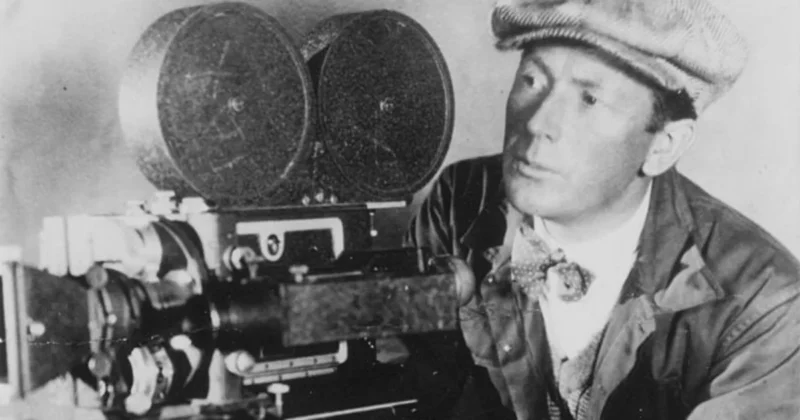
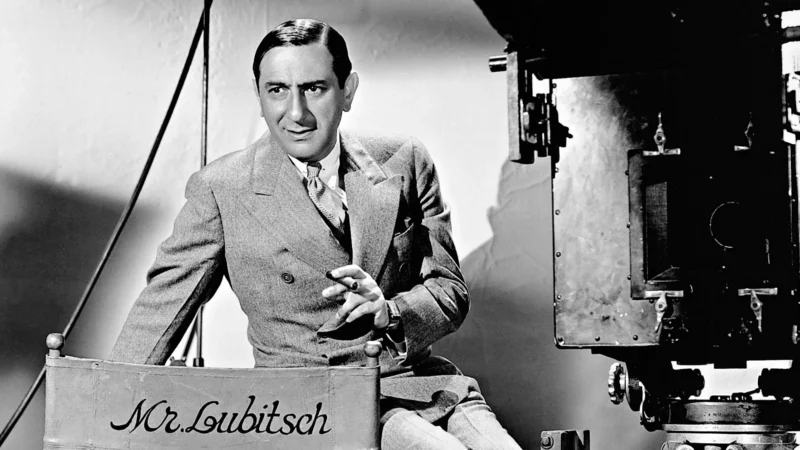
Ernst Lubitsch had also gained recognition in Berlin with his sophisticated comedies (Die Austernprinzessin [The Oyster Princess, 1919]). Although he produced light and elegant narratives in Hollywood with what came to be known as the “Lubitsch touch,” he quickly grasped the mechanisms of studio storytelling and censorship. Rather than directly resisting them, he developed a distinctive narrative language based on suggestion, elegance, and omission (Ninotchka, 1939). Yet in the process, the subtextual depth characteristic of his European work gradually became diluted. The shared fate of these directors was that, despite their efforts to preserve their personal cinematic language, they were partially or completely domesticated under the pressures of the studio system.
In contrast stands Fritz Lang, one of the most influential directors in shaping twentieth-century cinema. Lang’s career, which began in Weimar Germany, extended across two continents after his escape from Europe in the 1930s and his subsequent work in Hollywood. With Metropolis (1927) and M (1931), Lang had already established himself as one of the founding figures of modern cinema. As the Nazi regime rose to power, he left Germany, first moving to Paris and later to Hollywood.
During his Hollywood years, in films such as Fury (1936) and You Only Live Once (1937), Lang’s expressive style was reconfigured through noir aesthetics, transferring themes of darkness and fatalism into American cinema. Works such as The Woman in the Window (1944) and Scarlet Street (1945) integrated his Expressionist roots into the tradition of American film noir. In the later stages of his Hollywood career, films like While the City Sleeps (1956) and Beyond a Reasonable Doubt (1956) continued to demonstrate his disciplined suspense narratives and psychological depth. Throughout his long Hollywood career, Lang navigated the tension between commercial success and artistic influence, and his impact on cinema has since been rediscovered through retrospective readings by contemporary filmmakers.
(Lang section source: Encyclopedia Britannica)
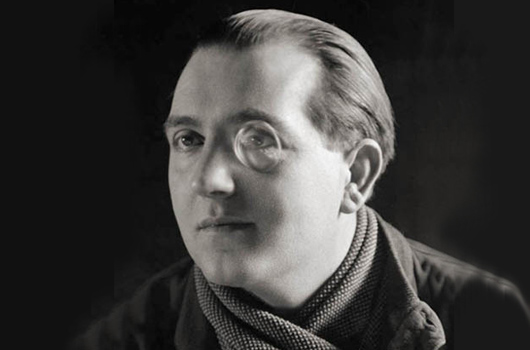
Note: This article is the first installment of a series examining the historical trajectory of directors who moved from arthouse cinema to Hollywood. The following parts will explore other filmmakers who followed a similar path and the broader implications of this transition.
Continuation of the Series
II. Second Wave: Postwar Era & Toward New Hollywood (1950s–70s)
III. Third Wave: The 1980s–90s & Industrial Wings
IV. Fourth Wave: 2000s–Present
Author: Nil Birinci
Film References in the Article
F.W. Murnau
Nosferatu (1922) – F.W. Murnau
Faust (1926) – F.W. Murnau
Der letzte Mann / The Last Laugh (1924) – F.W. Murnau
Sunrise: A Song of Two Humans (1927) – F.W. Murnau
Four Devils (1928) – F.W. Murnau
Ernst Lubitsch
Die Austernprinzessin / The Oyster Princess (1919) – Ernst Lubitsch
Ninotchka (1939) – Ernst Lubitsch
Fritz Lang
Metropolis (1927) – Fritz Lang
M (1931) – Fritz Lang
Fury (1936) – Fritz Lang
You Only Live Once (1937) – Fritz Lang
The Woman in the Window (1944) – Fritz Lang
Scarlet Street (1945) – Fritz Lang
While the City Sleeps (1956) – Fritz Lang
Beyond a Reasonable Doubt (1956) – Fritz Lang