
II. Second Wave: Postwar Era & Toward New Hollywood (1950s–70s)
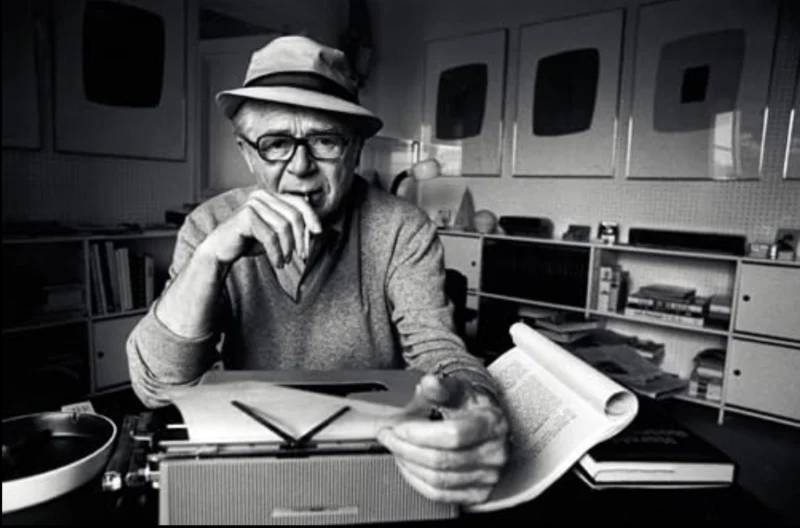
Some directors who emigrated to America after World War II made very different bargains with the devil. Billy Wilder, arriving from Vienna, became one of Hollywood’s sharpest minds. Despite his limited English at first, he continued working as a screenwriter, and his long collaboration with Charles Brackett helped him develop a distinct cinematic language. Defying Hollywood orthodoxy, Wilder boldly tackled social taboos; with The Lost Weekend (1945), he won both Best Picture and Best Director Oscars, solidifying his position in Hollywood. He went on to create Sunset Boulevard (1950), a masterpiece that ruthlessly interrogates Hollywood’s own mythology. With Some Like It Hot (1959), he challenged rigid views on gender and identity through comedy. Films like Double Indemnity (1944) and The Apartment (1960) both conformed to the studio system and subtly sabotaged it from within. By infusing Hollywood genres with humor, critique, anthropological insight, and human nuance, Wilder contributed not only to commercial success but also to cinematic discourse.
When it comes to Alfred Hitchcock, we must emphasize a rule-breaking genius. His transition to Hollywood is less a story of adaptation than an early demonstration of how the studio system could be bent to one’s will. The cinematic language he developed in England—rooted in formal control and psychological tension—first encountered Hollywood’s rigid production and censorship mechanisms with Rebecca (1940). Surrounded by a powerful producer like David O. Selznick and the moral constraints of the Hays Code, Hitchcock chose not to confront directly but to navigate through ambiguity. The film’s unnamed female protagonist does not fully conform to the “pure and virtuous” archetype of classical Hollywood; she is fragile, jealous, insecure, and at times morally ambiguous. Rather than overtly violating the code, Hitchcock deepens psychological complexity, blurring the clear moral binaries imposed by it. This results in a narrative that appears compliant while subtly eroding Hollywood’s norms from within.
Hitchcock’s ingenuity is especially evident in his handling of physical intimacy and narrative control. In response to the Hays Code’s “no kissing longer than three seconds” rule, he developed a technique—seen in Rebecca and later in Notorious (1946)—of breaking continuity into fragments: repeated short kisses create an extended sense of intimacy that effectively nullifies the restriction. Similarly, differences between Selznick-approved scripts and final cuts reveal Hitchcock’s covert control over editing; for instance, Maxim’s guilt is reshaped to satisfy censorship while keeping psychological guilt central. Hitchcock does not submit to Hollywood; instead, he learns its language and turns it to his advantage. Rebecca is not merely an adaptation or a “first American film,” but an early and brilliant example of Hitchcock making Hollywood dance to his rhythm. One could say he did not lose to Faust—he played chess with him.

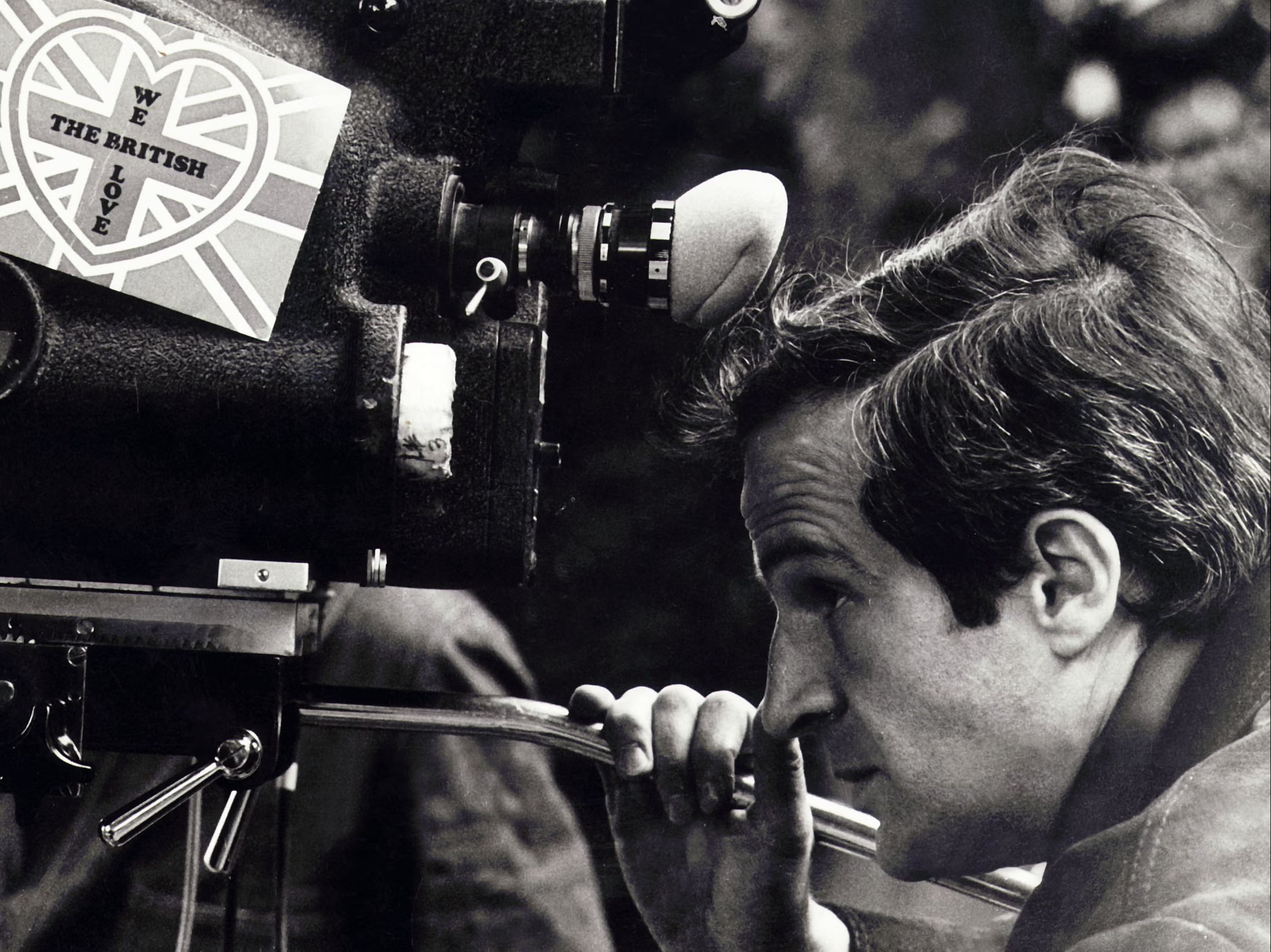
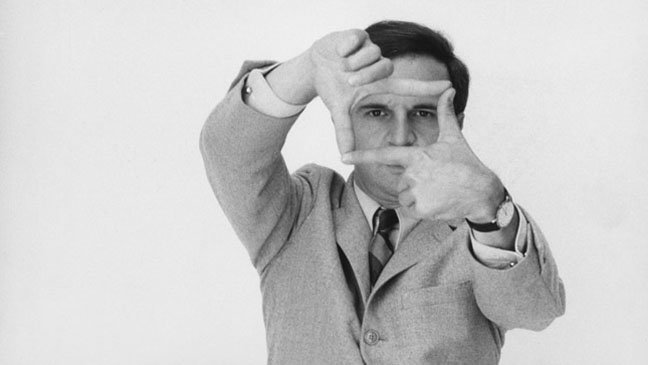
François Truffaut represents one of the most personal and emotional strands of the French New Wave. Beginning with Les Quatre Cents Coups (The 400 Blows, 1959), his career unfolds through the Antoine Doinel series, exploring themes of childhood, belonging, escape, and the capacity to love. As a critic from Cahiers du Cinéma, Truffaut not only theorized the concept of the auteur but also realized it in practice through his films. While his early work established a light, fluid, and emotional cinematic language, his interest in genre cinema (Jules et Jim [1962], La Mariée était en noir [1968]) reflects his desire to reconcile classical storytelling with experimental freedom.
Truffaut’s relationship with Hollywood is best understood not as a transition but as a cautious encounter. Fahrenheit 451 (1966), his only English-language film, reveals his distance from the studio system; it presents a deliberately subdued, almost mechanical dystopia. For Truffaut, this experience marked not a creative peak but a boundary. Hollywood’s production logic remained foreign to his intuitive, actor-centered, and introspective style. Choosing to remain in Europe, Truffaut became one of the rare auteurs who internationalized his cinema while preserving its personal, fragile, and literary tone.
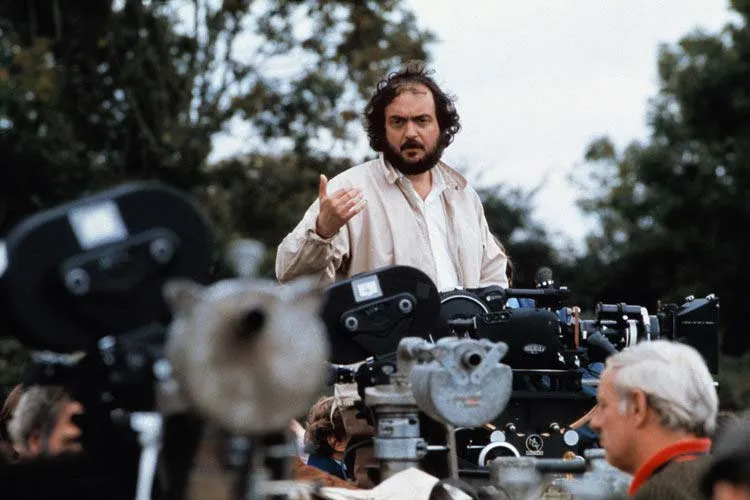
Stanley Kubrick’s case is less one of migration than of reverse migration—a deliberate distancing from the industry. Although his career began in America, Kubrick quickly developed a radical desire for control in response to the constraints of the studio system. Experiences on Paths of Glory (1957) and Spartacus (1960), particularly conflicts between producers and directors, pushed him away from Hollywood both physically and mentally. His move to England was not merely practical but a pursuit of absolute artistic autonomy. Even when financed by American capital, his later films resist Hollywood’s production speed, star system, and narrative conventions.
Even in projects that appear close to the mainstream (2001: A Space Odyssey, A Clockwork Orange, The Shining), Kubrick constructs forms that unsettle audience expectations and hollow out genre conventions. His cinema is neither fully independent nor conventionally Hollywood; rather, it uses the industry’s resources to produce a philosophically distanced cinema. In this sense, Kubrick stands as a rare example of working with large budgets without “selling his soul,” maintaining auteur control without compromise and placing artistic integrity above commercial logic.
Roman Polanski’s cinematic journey is a rare case where personal trauma and aesthetic darkness are deeply intertwined. Beginning in Poland, he gained international attention with Nóż w wodzie (Knife in the Water, 1962), which already reveals key themes of confined spaces, sexual tension, and power dynamics. His European works (Repulsion [1965], Cul-de-sac [1966]) revolve around paranoia, bodily fragility, and psychological confinement. Polanski soon carried this sensibility into Hollywood. Rosemary’s Baby (1968), his first major American studio film, embeds the idea of evil infiltrating everyday life within mainstream narrative, demonstrating his ability to maintain auteur identity at a larger scale.
However, Polanski’s Hollywood story includes a dramatic rupture alongside creative success. Chinatown (1974), though produced within the studio system, subverts classical Hollywood through its nihilistic ending, moral ambiguity, and the absence of justice. The 1977 legal case led to his departure from the United States, shifting his cinema toward a more introspective, European, and historically allegorical direction. Polanski remains one of those directors who, without fully integrating into Hollywood, managed to pierce its narrative expectations with a dark, unsettling, and uncompromising vision.
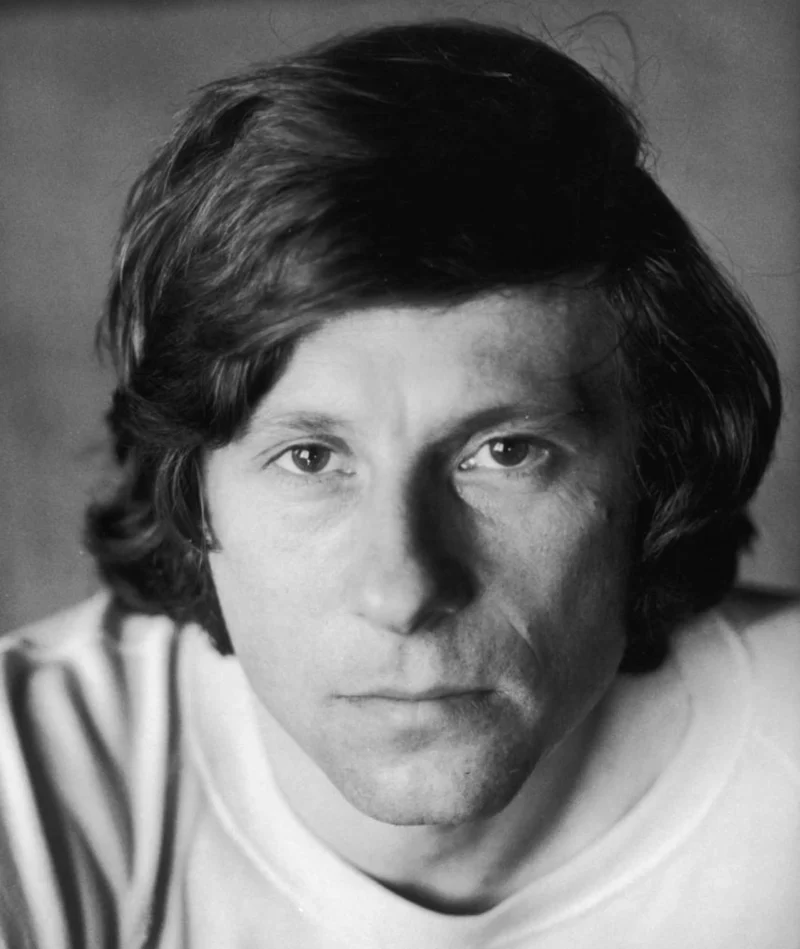
Miloš Forman’s cinema consistently explores the tension between individual freedom and authority. Beginning within the Czechoslovak New Wave, films like Černý Petr (Black Peter, 1964), Lásky jedné plavovlásky (Loves of a Blonde, 1965), and especially Hoří, má panenko (The Fireman’s Ball, 1967) critique bureaucracy, collective pressure, and the helplessness of ordinary people through ironic realism. Due to their indirect yet sharp critiques of the socialist regime, these films faced political pressure; after the suppression of the Prague Spring in 1968, Forman was effectively exiled. This rupture transformed his recurring theme—individual versus authority—into a lived experience.
Although his early Hollywood career included missteps (Taking Off, 1971), Forman soon succeeded in merging American narrative traditions with his thematic concerns. One Flew Over the Cuckoo’s Nest (1975) universalized institutional oppression, achieving both artistic and commercial success, while Amadeus (1984) reframed the conflict between genius and mediocrity within a historical context. Rather than submitting to Hollywood, Forman infused it with European political and humanist sensibilities, maintaining a critical, freedom-oriented, and ironic perspective even within the studio system.
Series Continuation:
Part 1: First Wave: From Weimar to Hollywood (1920s–40s)
Part 3: Third Wave: The 1980s–90s & Industrial Extensions
Part 4: Fourth Wave: 2000s – Present
Author: Nil Birinci
Film References Mentioned in the Text
The Lost Weekend (1945) – Billy Wilder
Sunset Boulevard (1950) – Billy Wilder
Some Like It Hot (1959) – Billy Wilder
Double Indemnity (1944) – Billy Wilder
The Apartment (1960) – Billy Wilder
Rebecca (1940) – Alfred Hitchcock
Notorious (1946) – Alfred Hitchcock
Les Quatre Cents Coups (The 400 Blows) (1959) – François Truffaut
Jules et Jim (1962) – François Truffaut
La Mariée était en noir (The Bride Wore Black) (1968) – François Truffaut
Fahrenheit 451 (1966) – François Truffaut
Paths of Glory (1957) – Stanley Kubrick
Spartacus (1960) – Stanley Kubrick
2001: A Space Odyssey (1968) – Stanley Kubrick
A Clockwork Orange (1971) – Stanley Kubrick
The Shining (1980) – Stanley Kubrick
Nóż w wodzie (Knife in the Water) (1962) – Roman Polanski
Repulsion (1965) – Roman Polanski
Cul-de-sac (1966) – Roman Polanski
Rosemary’s Baby (1968) – Roman Polanski
Chinatown (1974) – Roman Polanski
Černý Petr (Black Peter) (1964) – Miloš Forman
Lásky jedné plavovlásky (Loves of a Blonde) (1965) – Miloš Forman
Hoří, má panenko (The Fireman’s Ball) (1967) – Miloš Forman
Taking Off (1971) – Miloš Forman
One Flew Over the Cuckoo’s Nest (1975) – Miloš Forman
Amadeus (1984) – Miloš Forman