First Look To İstanbul Film Festival
Steven Soderbergh
Comedy | Drama
USA | UK
Michaela Coel | Ian McKellen | Jessica Gunning

Awards and Nominations
1 Nomination
Grant Gee
Biography | Docudrama
USA
Owen Martell | Mark O’Halloran
Ödüller ve Festivaller
1 Ödül 1 Adaylık
Myrsini Aristidou
Dram
Amerika Birleşik Devletleri | Birleşik Krallık
Christos Passalis| Maria Petrova | Jenny Sallo
Awards and Nominations
1 Win, 1 Nomination
Isabel Coixet
Drama
Italy
Alba Rohrwacher | Elio Germano
Awards and Nominations
1 Nomination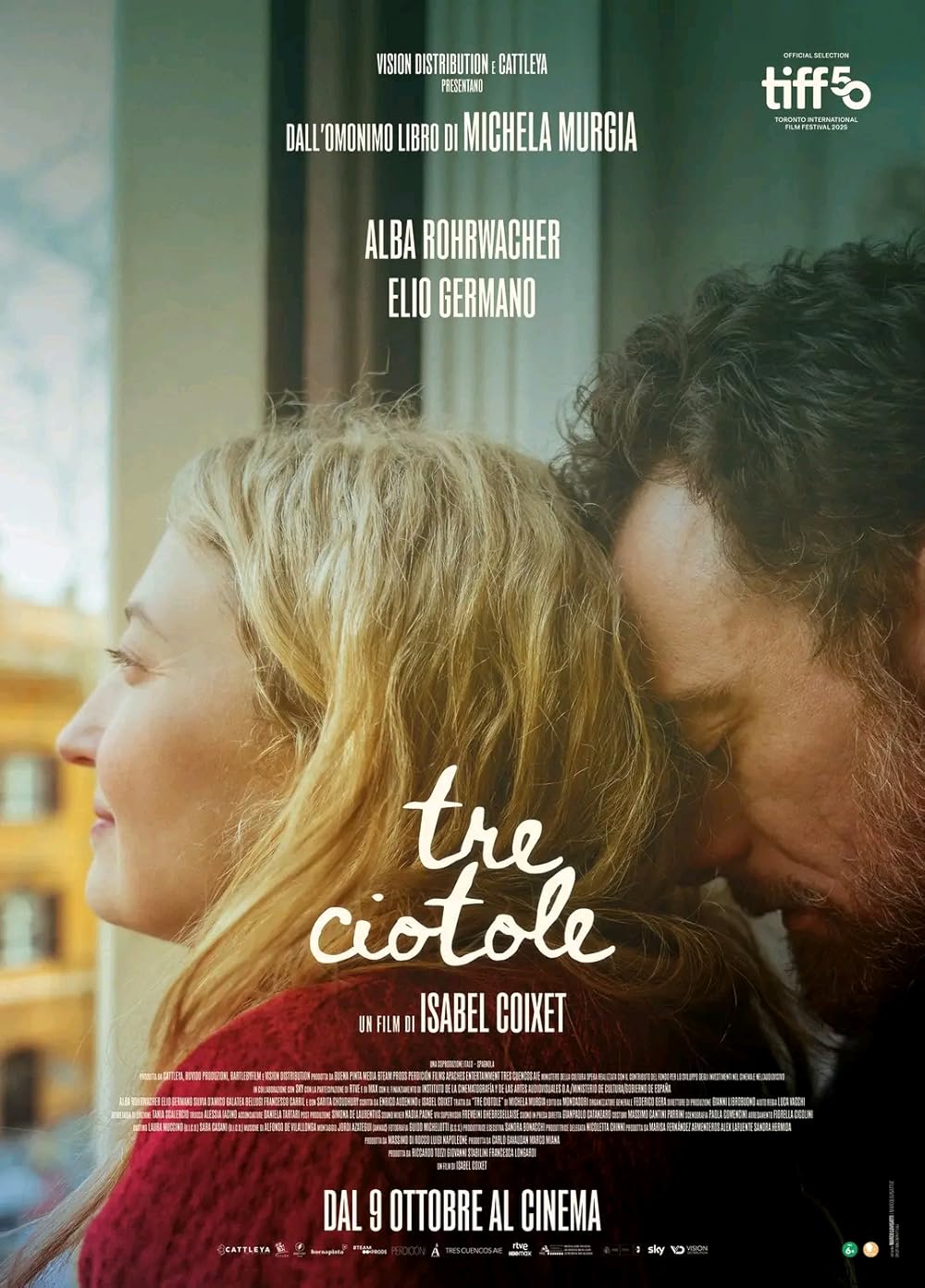
Maryam Touzani
Romantic | Drama
Spain
Carmen Maura | Marta Etura
Awards and Nominations
1 Nomination

Ildikó Enyedi
History | Drama
France
Tony Leung Chiu-wai | Luna Wedler | Enzo Brumm
Awards and Nominations
6 Wins, 11 Nomination
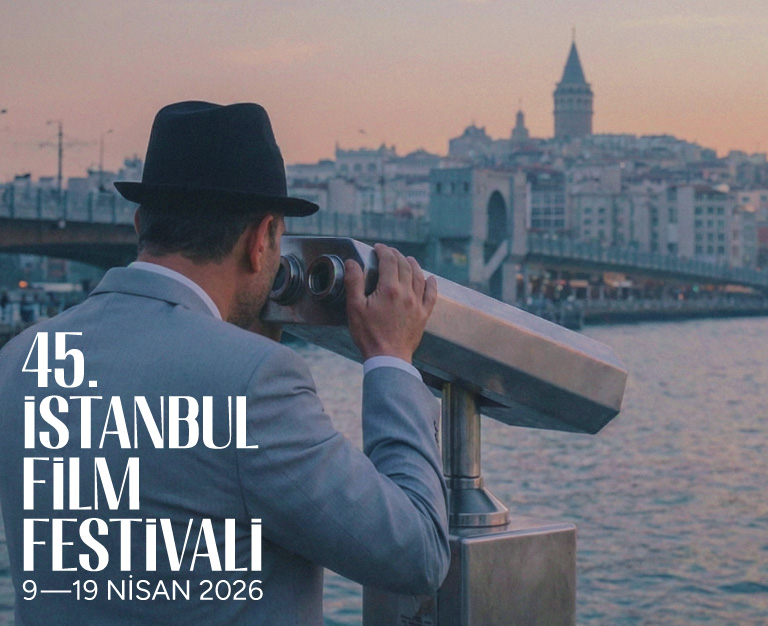
The Istanbul Film Festival, which creates a unique sense of excitement in Istanbul’s cinema calendar every year, has once again begun by bringing together powerful stories and distinctive narratives from different corners of world cinema. The selection, which both reconnects audiences with familiar emotions and challenges them with new forms of storytelling, highlights a wide spectrum ranging from highly anticipated works by established masters to emerging new voices. Filling theaters from its very first days, these films invite viewers into diverse worlds while once again reminding us how alive and transformative cinema still is.
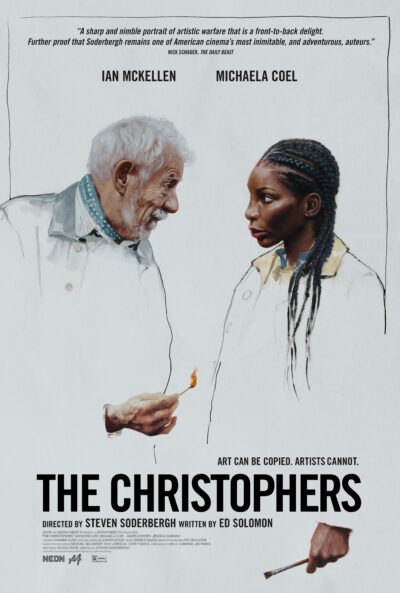
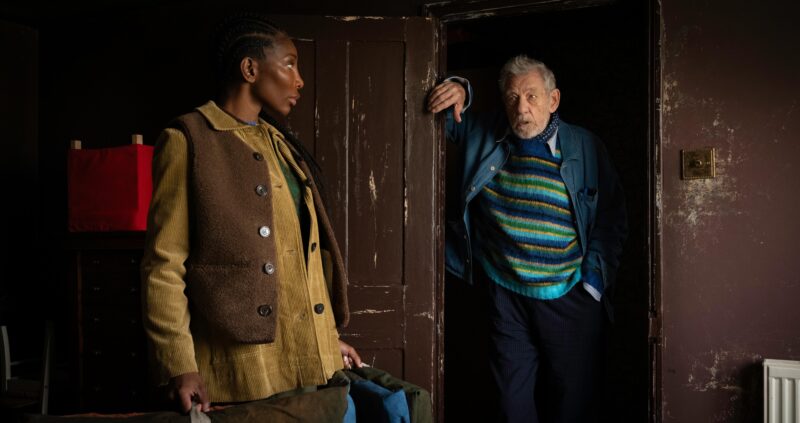
CHRISTOPHERS
Soderbergh, with The Christophers, once again reveals his ambivalent relationship with cinema, constructing his elusive style—neither fully mainstream nor entirely arthouse—this time through the lens of art itself. The story, centered on the mysterious portrait series of former renowned artist Julian Sklar, begins as a financially driven scheme but gradually transforms into a personal confrontation with the past, the future, and the notion of value; sharp and often ironic dialogue both lightens and deepens this process.
The ongoing tension between the value and price of art remains at the core of the film, while broader questions about how modernity reshapes artistic production also come into focus. Although its perspective on the contemporary art world sometimes feels slightly dated, Ian McKellen’s powerful performance and the intelligence of the writing make the film noteworthy; much like Sklar, Soderbergh himself seems to be in an ongoing dialogue with his own legacy, a reflection that quietly resonates beneath the surface.
Author: Zeynep Bakanoğlu
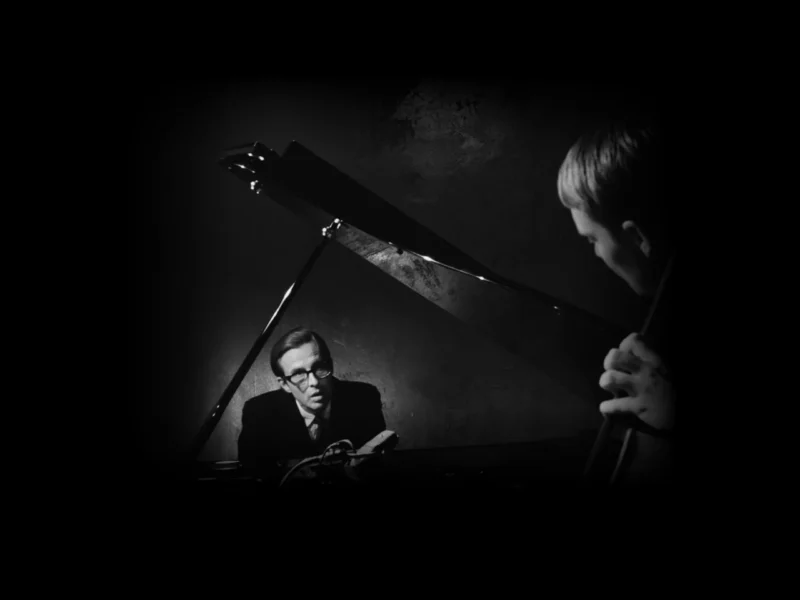
EVERYBODY DIGS BILL EVANS
Everybody Digs Bill Evans portrays a fragment of the life of Bill Evans, one of the rare white musicians to emerge during jazz’s golden age, through key ruptures spanning from the peak of his career to his decline. Grant Gee’s visual sensitivity, along with a stark black-and-white aesthetic, constructs a strong atmosphere through the contrast between New York City and Florida, while the narrative extends from the Kind of Blue sessions with Miles Davis to the Village Vanguard years and the emotional impact of Scott LaFaro’s death. Anders Danielsen Lie delivers a convincing portrayal of Evans’s inner fragility and his delicate relationship with artistic creation.
The film also explores Evans’s relationship with Elaine Schultz and his heroin addiction, framing the thin line between artistic production and self-destruction, while situating widespread substance use in jazz within its broader social context. Although its restrained use of music in a musical biopic feels like a limitation, it foregrounds themes of family, loss, and fragility—especially through pieces like Waltz for Debby—offering a compelling portrait not only for jazz enthusiasts but also for viewers drawn to character-driven narratives.
Author: Ruşen Ertan
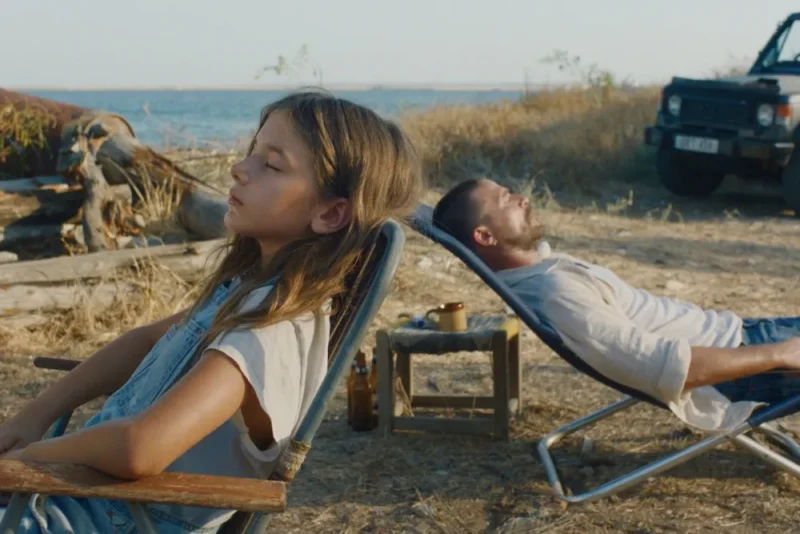
HOLD ONTO ME
Although it resembles a father-daughter story in the vein of Aftersun, Hold on to Me feels more existential in tone. At the same time, its similar cinematic language and visual style create a sense of imitation as well.
Some films do not depict a relationship; they depict the moments when two people’s loneliness touches. Hold on to Me is precisely such a film.
Rather than dialogue, glances, silences, and physical distance carry the narrative. The film avoids dramatizing the relationship and instead focuses on two fragile individuals attempting to hold on to one another.
By the end, despite the warmth of the sunlight seen throughout the film, what remains is a cold sense of solitude. It leaves the viewer with a lingering question: is holding on a form of salvation, or merely a postponement of loneliness?
Author: Duygu Ersin
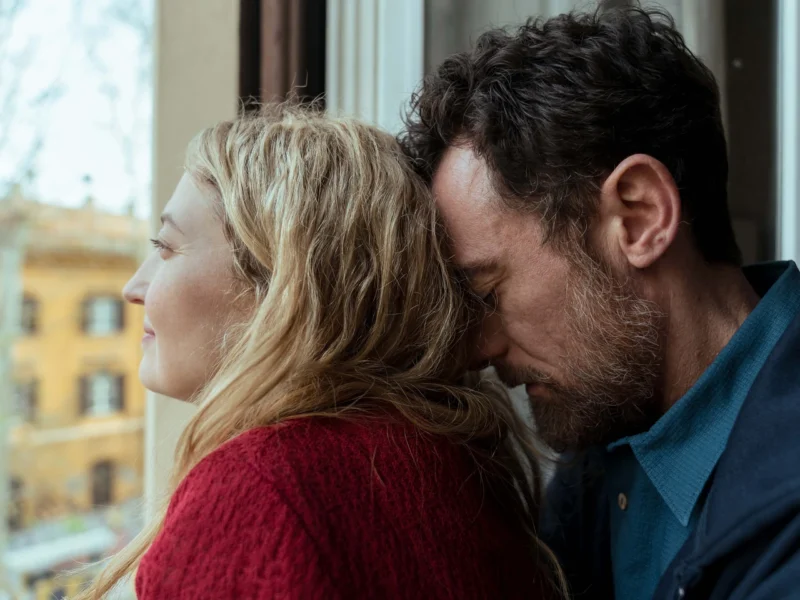
THREE GOODBYES
Three Goodbyes, at first glance, appears to be a story of separation, yet at its core it constructs a narrative about existence itself. Coixet’s camera deliberately avoids large dramatic outbursts, instead portraying the relationship between two people through a fragile balance oscillating between Eros and Thanatos; both intimacy and desire, as well as an increasingly quiet sense of separation and dissolution, lie at the center of the narrative.
The film also presents Rome not as a tourist postcard but as a lived, tactile space seen through everyday life; the city becomes a living presence accompanying the characters’ emotional states. Food, alongside space, plays a significant role, evoking Feuerbach’s idea that “man is what he eats,” offering subtle insights into the characters’ inner worlds. Despite an overly explicit final monologue, the film remains a strong, minimal yet powerful piece of cinema where spaces themselves become characters.
Author: Duygu Ersin
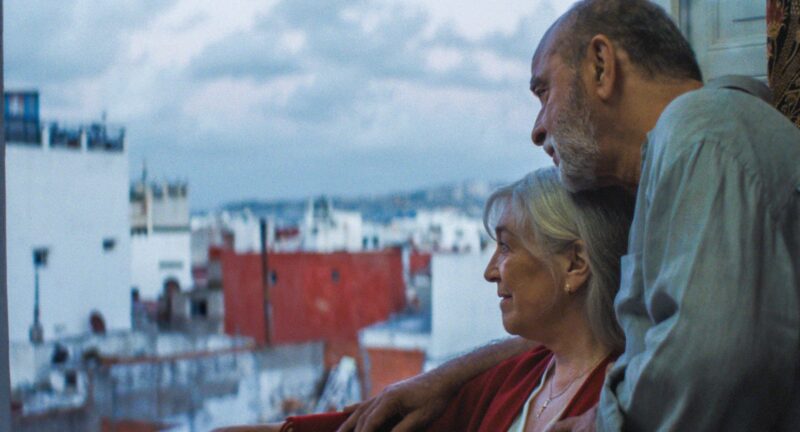
CALLE MÁLAGA
Calle Málaga builds an intimate narrative around a conflict between a daughter and her mother, whom she is forced to remove from the city of Tangier where she was born and raised. The film explores belonging, aging, and different ways of holding on to life. Maria, who lives through memories and connects to life through places and rituals, and her daughter Clara, who approaches life in a more pragmatic and functional way, are portrayed without melodrama; instead, the emotional distance between two generations is rendered with subtle precision.
Carried by Carmen Maura’s powerful performance, the film emerges as a warm and human character study that finds its emotion in small gestures rather than grand statements. Its restrained yet deeply affecting structure makes Calle Málaga one of the strongest films of the festival so far.
Author: Duygu Ersin
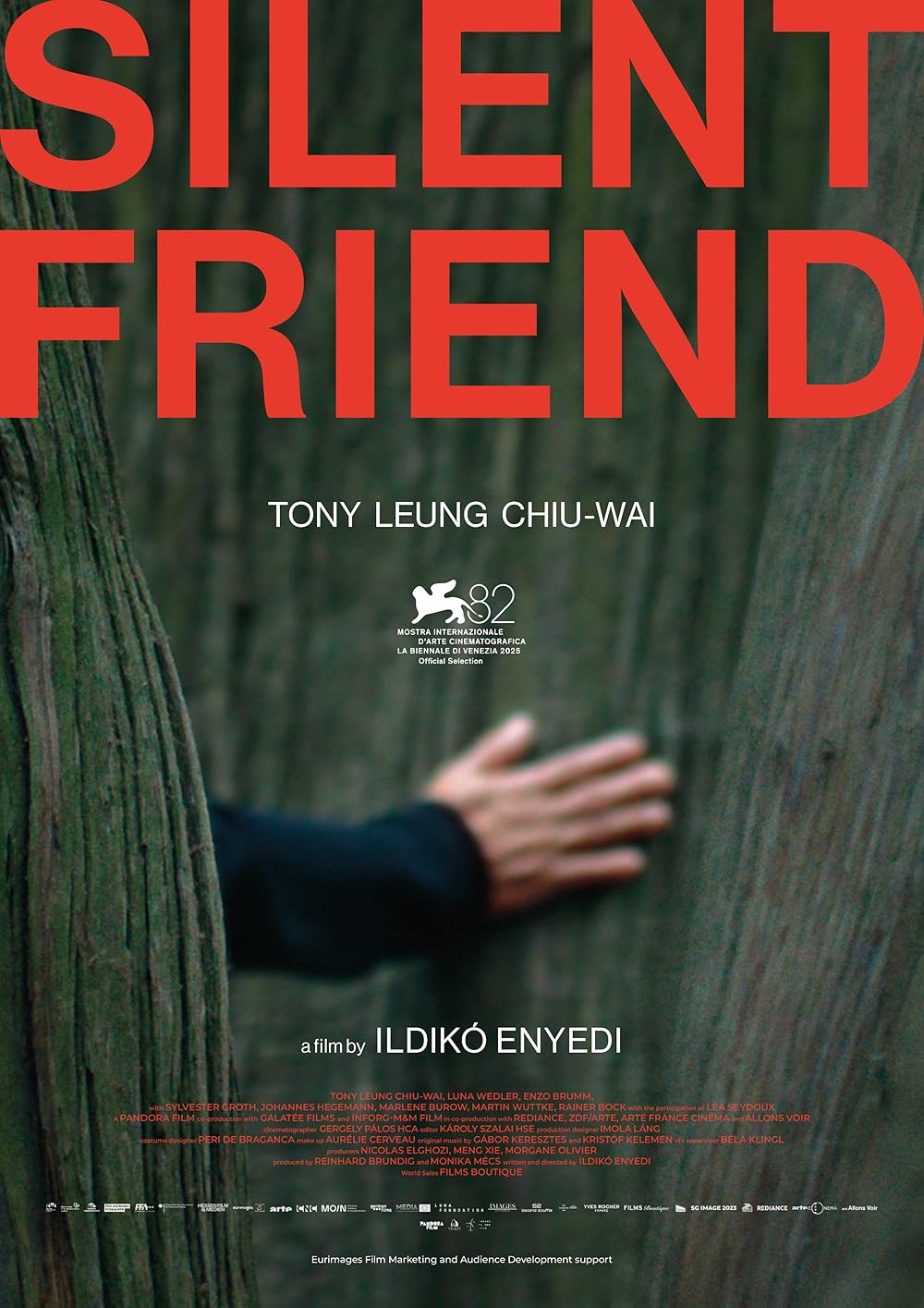
SILENT FRIEND
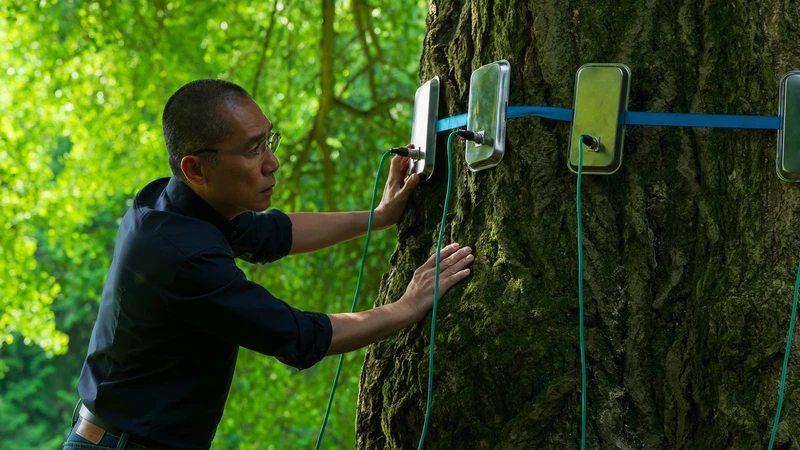
Silent Friend continues Ildikó Enyedi’s poetic and intuitive cinematic exploration of the blurred boundaries between humans and nature, this time through the perspective of a tree. The Ginkgo biloba, placed at the center of the film, becomes a figure of temporal continuity, memory, and resilience within a structure that moves across 1908, 1972, and 2020. Although the formal differences between periods, black-and-white static frames, handheld 16mm aesthetics, and digital clarity, create a theoretically strong framework, in practice the uneven pacing and transitions weaken the film’s flow, preventing a necessary sense of refinement.
While the film attempts to construct a posthumanist vision that decentralizes humanity and places all beings within an equal network of existence, its human character, especially the women across different eras, remain underdeveloped, sometimes less vivid than the tree itself. Though thematically aligned with works such as The Intelligence of Flowers and The Woman in the Mirror, the film ultimately struggles to fully realize its ideas on screen, leaving behind the ironic impression that the human-nature connection it seeks might be more powerfully experienced outside the cinema, in direct contact with nature itself.
Author: Zeynep Bakanoğlu